

BDSM Partner Red Flags: How to Spot Unsafe Dominants & Subs
Finding a BDSM partner can feel exciting, intense, and deeply validating, especially when you finally meet someone who understands your desires. But BDSM is also a space where trust matters more than chemistry. BDSM Partner Red Flags: A partner can be charming, experienced, and confident, while still being emotionally unsafe or dangerously careless. That’s why learning red flags early can protect your body, your boundaries, and your mental wellbeing.
BDSM should never feel like you’re being pressured, manipulated, or rushed into proving yourself. Healthy kink is built on consent, communication, and mutual respect. If someone makes you feel confused, guilty, or afraid to say no, that’s not “dominance.” That’s control without care. This guide will help you recognize unsafe Dominants and subs before you get emotionally attached or physically vulnerable.
BDSM partner red flags include ignoring consent, rushing scenes, disrespecting safewords, refusing negotiation, manipulating boundaries, using BDSM as an excuse for abuse, and isolating partners from support. Unsafe Dominants often pressure submission quickly, while unsafe subs may test limits, hide health risks, or ignore agreed rules. A safe BDSM partner welcomes communication, respects boundaries, and values aftercare and emotional responsibility.
Table of Contents – BDSM Partner Red Flags
- Why BDSM Partner Red Flags Matter
- Red Flags in Dominants You Should Never Ignore
- Red Flags in Submissives That Can Make Play Unsafe
- Consent and Negotiation Red Flags
- Emotional Abuse Disguised as BDSM
- Community Reputation and Social Warning Signs
- How to Screen a BDSM Partner Safely
- What to Do If You Spot Red Flags
- Key Takeaways
- FAQ
- Trust Should Feel Like Calm, Not Confusion
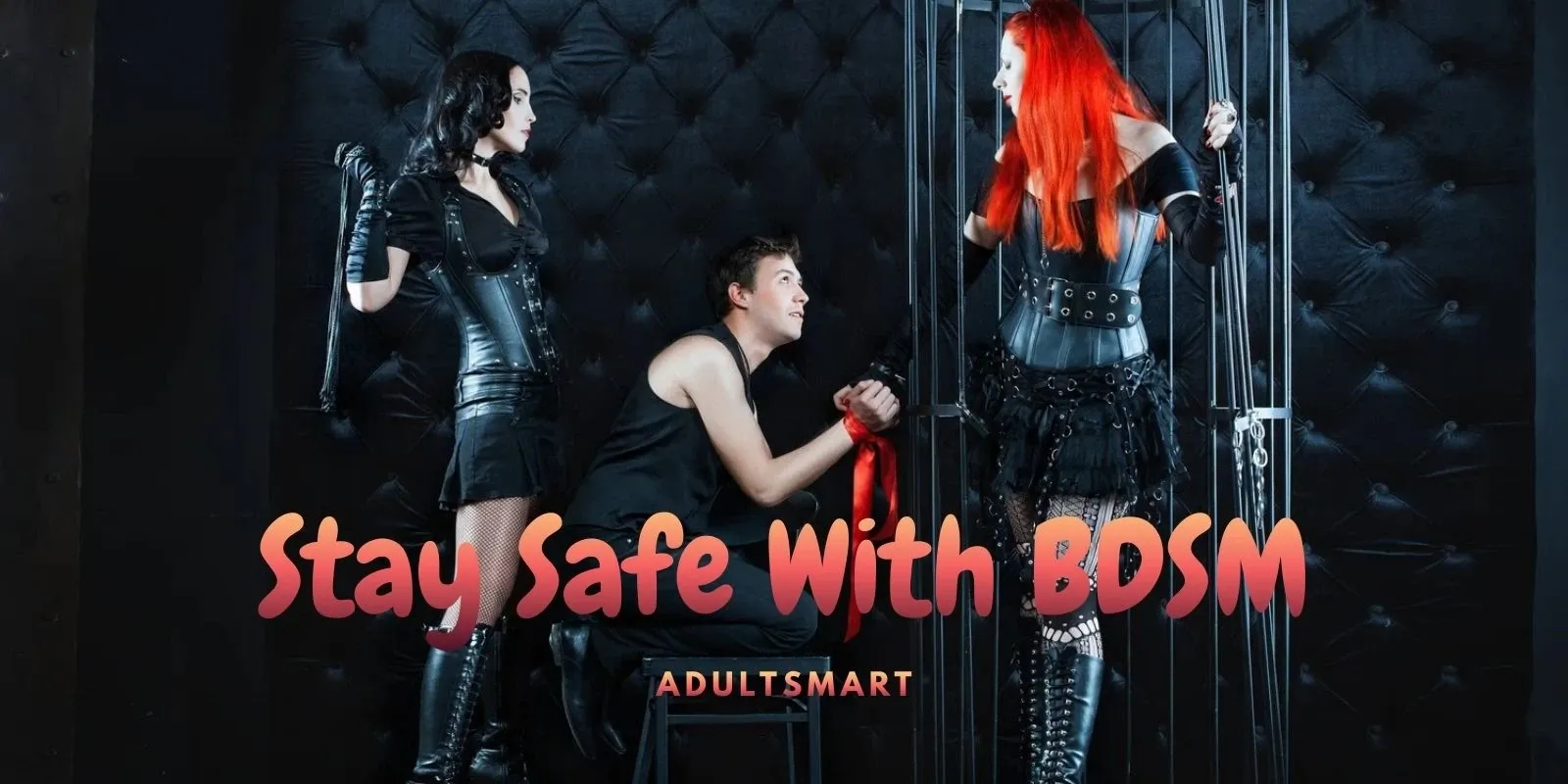
Why BDSM Partner Red Flags Matter
BDSM is not dangerous because kink is bad. BDSM becomes dangerous when people treat consent like an obstacle instead of a foundation. A red flag in vanilla dating might only lead to heartbreak, but in BDSM it can lead to trauma, injury, or emotional manipulation. The stakes are higher because BDSM involves vulnerability, trust, and often physical control.
Red flags matter because unsafe people often hide behind the aesthetic of dominance. They may use words like “protocol,” “obedience,” or “training” to make control sound sexy. But true Dominance is built on responsibility. A safe Dominant cares about your limits more than your submission. A safe submissive respects boundaries as much as they crave intensity.
Many new kinksters feel pressure to prove they’re “serious” or “brave.” That mindset can make red flags easier to ignore. But BDSM is not about endurance or suffering. It’s about choice. When you know the warning signs, you stop chasing approval and start protecting your nervous system. That shift is where real confidence begins.
Red Flags in Dominants You Should Never Ignore
One major red flag is a Dominant who rushes intimacy. If someone wants you to submit immediately, calls you “owned” after a few messages, or demands exclusivity early, they may be trying to hook you emotionally before you can think clearly. Healthy Dominants understand that trust takes time. They don’t treat your submission like something they are entitled to.
Another red flag is dismissing negotiation. A safe Dominant asks questions, listens carefully, and respects limits without sulking. An unsafe Dominant may say things like “you don’t need limits with me” or “I know what you need better than you do.” That is not confidence, it’s ego. Real Dominance is not threatened by your boundaries, it is strengthened by them.
A particularly dangerous sign is when a Dominant mocks safewords or calls them “weak.” Safewords are not optional. They are the difference between consensual play and harm. If someone makes you feel ashamed for needing safety, they are not a Dominant, they are a predator with good branding. A useful reference on warning signs in power dynamics is dominant partners red flags guide, which explains how control can turn toxic.
Another subtle red flag is when a Dominant only talks about what they want. If your pleasure, your comfort, and your emotional needs are never part of the conversation, the dynamic is already unbalanced. BDSM should be mutually fulfilling. Even in strict power exchange, the submissive’s wellbeing is the Dominant’s responsibility. If they don’t care about that, the scene is already unsafe.
Red Flags in Submissives That Can Make Play Unsafe
Unsafe submissives exist too, and they can put Dominants at risk emotionally and physically. One red flag is a submissive who refuses to communicate limits. Some submissives say “do whatever you want” because they think it sounds sexy. But in reality, it creates confusion and danger. A safe submissive understands that clarity is part of consent, and they participate actively in negotiation.
Another red flag is boundary testing without discussion. If a submissive repeatedly tries to push the Dominant into more extreme play, or ignores established rules, it can create resentment and unsafe escalation. BDSM works when both people respect the container. Submission is not permission to act recklessly. A submissive who treats scenes like chaos may be seeking emotional discharge, not consensual kink.
A more emotional red flag is when a submissive uses guilt as a weapon. For example, if they say “you don’t really want me unless you hurt me,” or “if you cared, you’d ignore my safeword,” that’s manipulation. Some submissives have unresolved trauma that gets acted out through kink. Trauma does not make someone bad, but it does mean they may need healing support, not a BDSM partner.
Consent and Negotiation Red Flags
One of the clearest BDSM partner red flags is refusing to talk about consent directly. If someone avoids discussing boundaries, health concerns, aftercare, or risk awareness, they are not safe. Negotiation is not awkward. It is erotic when done well because it builds anticipation and trust. Someone who calls negotiation “boring” may be relying on impulse rather than responsibility.
Another red flag is vague language. If someone says “I’m into everything” or “I’m super experienced” but cannot explain their safety practices, that’s a problem. Experience is not proven through confidence, it’s proven through care. A safe partner can clearly describe how they handle safewords, how they avoid injury, and how they respond to emotional drop.
It’s also important to watch for people who weaponize the idea of “red flags” incorrectly. Some kink communities talk about red, green, and yellow flags to describe behavior patterns. A useful discussion is found in red green and yellow flags in BDSM, which highlights how nuance matters. Not every mistake is abuse, but consistent disrespect always is.
A final negotiation red flag is pressure disguised as “education.” Some people will push boundaries while claiming they are teaching you. They may say you’re “too vanilla” or “not serious enough.” That’s not mentorship, it’s coercion. A safe partner wants you to explore at your pace, not their ego’s pace.
Emotional Abuse Disguised as BDSM
Emotional abuse in BDSM often starts subtly. The partner may begin by isolating you from friends or kink communities, claiming they are the only one you can trust. They might discourage you from learning, attending events, or speaking to other kinksters. This is not protection. It’s control. BDSM should expand your confidence, not shrink your support system.
Another red flag is using “authority” to rewrite your reality. An abusive Dominant might say you are overreacting, too sensitive, or mentally weak whenever you express discomfort. They may also punish you for having boundaries. BDSM Partner Red Flags: That’s not a dynamic, that’s emotional conditioning. BDSM is consensual power exchange, not emotional ownership without consent.
Abuse can also happen through identity manipulation. Some people pressure partners into labels like “slave,” “property,” or “collared sub” too early, before trust is earned. Identity can be a beautiful part of BDSM, but only when it is chosen freely. If you want a healthier perspective on how kink connects to self-discovery, explore using BDSM to discover identity, which frames kink as exploration rather than control.
One of the most painful abuse patterns is withholding aftercare. A partner might leave immediately after intense play, ignore emotional drop, or treat you like you’re needy for wanting comfort. Aftercare is not optional. Even if someone claims they are “not affectionate,” they still have a responsibility to help you land safely after vulnerability. A partner who refuses aftercare is showing you exactly how unsafe they can become.
Community Reputation and Social Warning Signs
Kink communities often have informal ways of sharing information about unsafe people. While gossip can be messy, consistent patterns matter. If multiple people warn you about someone, don’t ignore it just because you feel attracted to them. Attraction is not evidence of safety. Community reputation is not perfect, but it can be a valuable signal when combined with your own observations.
A major red flag is someone who refuses to engage with community education. Safe kinksters often attend workshops, learn new safety practices, and stay open to growth. Someone who says “I don’t need that, I already know everything” is likely to become careless. If you want to learn in a safe environment, explore BDSM workshops to build skills without relying on one partner as your only teacher.
Another warning sign is someone who constantly changes partners in chaotic ways, leaving a trail of emotional fallout. It doesn’t mean they are automatically unsafe, but if they always have “crazy ex subs” or “dramatic ex Doms,” it may signal a pattern. Healthy BDSM relationships don’t require constant emotional warfare. A stable person usually has stable stories.
It’s also worth watching how they behave in public kink spaces. Do they respect consent culture? They ask before touching? Do they listen when corrected? People who are unsafe in private often show small signs of entitlement in public. Their mask slips when they think no one is paying attention.
How to Screen a BDSM Partner Safely
Screening a BDSM partner means slowing down. Talk before you play. Ask direct questions about consent, aftercare, and boundaries. Ask what their biggest BDSM mistake was and what they learned from it. A safe partner can admit imperfection and growth. An unsafe partner often pretends they have never done anything wrong, which usually means they don’t reflect on their impact.
Another smart screening method is to ask about their community connections. Do they have references? Have they attended workshops? Are they willing to meet in a neutral space first? Safe Dominants and subs usually welcome transparency. Unsafe people tend to avoid accountability. They prefer secrecy because secrecy gives them power. A partner who respects your safety will respect your need for time.
It’s also helpful to build community around you. If you are isolated, it becomes easier for manipulation to take hold. Having kink friends, support networks, and trusted spaces helps you stay grounded. If you want to build a healthier support system, explore creating your own kink community, which encourages safe connection instead of dependence on one partner.
What to Do If You Spot Red Flags
If you spot red flags, trust your nervous system. You don’t need proof to walk away. BDSM is not a courtroom, it’s your body and your life. If something feels off, you can step back, slow down, or stop entirely. You do not owe anyone your submission, your time, or your explanation. Safety comes before politeness.
If you feel pressured, the safest response is distance. Don’t negotiate with someone who ignores consent. Don’t argue with someone who twists your words. A manipulative person will often use conversation to confuse you, not to understand you. BDSM Partner Red Flags: The healthiest decision is usually simple: end contact and move on. Your future self will thank you.
If the situation is serious, seek community support. Trusted kink communities often have safety officers, organizers, or experienced members who can help you process what happened. You may also benefit from speaking to a therapist who understands consent and relationship dynamics. BDSM is supposed to be empowering. If it becomes destabilizing, support is not weakness, it is wisdom.
Key Takeaways
- BDSM partner red flags often show up as pressure, rushed intimacy, or disrespect for negotiation.
- Unsafe Dominants may shame safewords, ignore boundaries, or demand submission too quickly.
- Unsafe submissives may manipulate, hide limits, or push escalation without consent.
- Isolation, gaslighting, and withholding aftercare are common signs of abusive kink dynamics.
- Safe BDSM partners welcome transparency, consent talks, and accountability without ego.

FAQ – BDSM Partner Red Flags
What are the biggest BDSM partner red flags?
The biggest BDSM partner red flags include ignoring consent, refusing negotiation, pressuring you into intense play quickly, mocking safewords, and using BDSM as an excuse for cruelty. Emotional manipulation, guilt-tripping, and isolating you from community support are also major warning signs. A safe BDSM partner values your comfort as much as their own pleasure.
How can I tell if a Dominant is unsafe?
An unsafe Dominant often rushes submission, avoids consent conversations, and pushes boundaries while claiming it’s “training.” They may shame you for having limits or act offended when you say no. Safe Dominants welcome negotiation and check-ins. If a Dominant treats your boundaries like a challenge, that’s not dominance, it’s entitlement.
Can submissives have red flags too?
Yes, submissives can also be unsafe partners. Red flags include refusing to communicate limits, testing boundaries without discussion, using guilt to manipulate the Dominant, or pressuring for extreme play. A safe submissive participates in consent and understands that rules protect both partners. Submission should never be used as an excuse for chaos or emotional games.
What should a BDSM negotiation conversation include?
A BDSM negotiation should include limits, safewords, health concerns, intensity levels, aftercare needs, and what kind of dynamic both partners want. It should also include emotional triggers and consent boundaries around roleplay themes. If someone refuses this conversation, that is a strong red flag. Negotiation is not optional in safe BDSM.
What should I do if I realize my BDSM partner is toxic?
If you realize your BDSM partner is toxic, prioritize safety and distance. You do not need to justify leaving. Stop play immediately if consent is not respected, and reduce contact if you feel manipulated or pressured. If needed, reach out to trusted friends, community organizers, or professional support. BDSM should feel empowering, not confusing or frightening.
Trust Should Feel Like Calm, Not Confusion
BDSM is supposed to make you feel more alive, not more anxious. The healthiest kink dynamics don’t require you to shrink yourself, prove your worth, or tolerate discomfort to earn approval. BDSM Partner Red Flags: Safe partners make boundaries feel normal. They make consent feel sexy. And they make aftercare feel like devotion, not an inconvenience.
If you take one thing from this guide, let it be this: a good BDSM partner does not feel like pressure. They feel like clarity. They feel like steadiness. Feel like someone who can hold intensity without losing their humanity. When trust is real, your body relaxes, your confidence grows, and kink becomes what it was always meant to be, a space where desire and safety can exist together.


